
Representing Survivors of Sexual Assault in Title IX Claims Across America
At The Zalkin Law Firm, LLP, our entire practice is built around sexual abuse litigation. Campus sexual assault isn’t one service among many here. It’s handled within a firm whose identity, staffing, and strategy are devoted to representing survivors and pursuing accountability from the institutions that failed them.
With 26.4% of female undergraduate students and 6.8% of male undergrads reporting experiences of rape or sexual assault through physical force, violence, or incapacitation, according to RAINN, the Department of Education has referred to sexual misconduct as an epidemic in U.S. colleges. Because an overwhelming number of cases are never reported, administrators have been pushed to tighten procedures and preventative measures.
Our attorneys have represented survivors at colleges and institutions across the nation, helping clients navigate Title IX proceedings and file civil lawsuits against schools that failed to investigate or prevent campus sexual assault. Founding partner Irwin Zalkin personally oversees every case and legal team member, bringing our full attention and strategic intensity to each survivor we represent. Irwin holds a Martindale-Hubbell AV Preeminent rating and is ranked in the top 5% of lawyers in the country.
If you were the victim of sexual assault on an academic campus, call (800) 477-2989 or contact us online for a free and confidential case review with our campus sexual assault attorneys. The Zalkin Law Firm, LLP proudly represents survivors of sexual assault nationwide.

For decades, our team has been handled some of the most complex sexual abuse and personal injury claims across the nation. For more information, please contact our office to set up a free consultation at (800) 477-2989.
Proven Track Record Against Powerful Institutions
Our award-winning attorneys have earned national recognition fighting on behalf of sex abuse and assault survivors. We’ve recovered millions in compensation for our clients, not by taking shortcuts, but by building cases through relentless investigation, deep discovery, and thorough document production. Our in-house investigator, dedicated paralegals, and full litigation infrastructure allow us to pursue long, demanding proceedings against universities and the organizations that protect them.
We’ve fought for survivors at universities and school systems nationwide, including:
- Baylor University, TX
- Columbia University, NY
- Occidental College, CA
- Delaware State University, DE
- George Washington University, DC
- Harvard University, MA
- Michigan State University, MI
- Newburyport Public School District, MA
- San Marino Unified School District, CA
- University of California - Berkeley
- University of California - Santa Barbara
- Yale University, CT

Our Approach to Campus Sexual Assault Cases
We combine aggressive institutional litigation with a trauma-informed, survivor-centered process. Fighting hard in court and creating a psychologically safer experience for our clients aren’t competing goals. They’re both part of how we work.
We treat early conversations with real care, not as rushed screening calls. We hear clients out fully, even when situations are complicated or painful, and we stay kind and supportive from the very first contact, not only after a case is accepted. Our comfort dog, Oliver, is available during in-person meetings for clients who need a little extra support.
We take time to explain each step clearly so clients understand what’s happening and why, and we answer questions with patience. Pursuing a campus sexual assault claim means having access to the full picture: what civil claims can accomplish, how the process works, and what to expect. Survivors can reach us for a free and confidential consultation. There’s no pressure and no commitment required to have that first conversation.

A Record of Success
Examples of Some of Our Successful Cases:
The Zalkin Law Firm, LLP has cultivated a record of proven success in high-stakes personal injury cases across the state of California and the U.S. As a firm experienced in fighting for victims, we have won millions in verdicts and settlements for injured victims and their families.
-
$1,000,000 “John Doe” v. Neurologist
A $1 Million settlement following a medical malpractice lawsuit against a California Neurologist involving the misdiagnosis of the cause of the patient’s quadriplegia.
-
$3,750,000 “John Doe” v. Utah
Hospital & PhysicianA $3.75 Million structured settlement recovered against a Utah Hospital and physician as the result of a medical malpractice lawsuit brought by Mr. Zalkin on behalf of the client.
-
$4,250,000 Child Sexual Abuse
Single Victim$4.25 Million paid to single sexual abuse Plaintiff.
-
$1,000,000 Child Sexual Abuse
Multi-VictimTwo victims of childhood sexual abuse by their elementary school teacher.
-
$4,150,000 Child Sexual Abuse
Single Victim$4.15 Million paid to single sexual abuse Plaintiff.


Why Choose The Zalkin Law Firm, LLP?
-
Education
We engage in conferences, speak to professionals, and present to leaders & community members to foster education on Child Sexual Abuse
-
Litigation
We hold those accountable by taking legal action. Let us fight for you, so you can begin the healing process.
-
LegistlationWe are actively trying to change the laws and have the state legislature address the most pressing issues.
Civil Lawsuits & Institutional Accountability
We build campus sexual assault cases the right way: through evidence, persistence, and thorough investigation. We leave no stone unturned in gathering proof, compelling document production, and building the kind of leverage that holds institutions accountable. When cases overlap with criminal investigations, administrative proceedings, or Title IX reporting requirements, we can guide survivors through the full landscape so nothing falls through the cracks.
Criminal proceedings address individual perpetrators. A civil lawsuit can address a school’s failure to prevent or respond to sexual assault: its negligence, its cover-ups, and its indifference. That distinction matters. It means that even when a criminal case doesn’t move forward, or when a Title IX investigation produces no meaningful outcome, the path to institutional accountability through the civil justice system remains open.
For survivors, these support systems can be helpful, but they’re no substitute for seeking justice in civil actions, especially when administrative systems fail.

Leaders in Innovation, Change, & Justice
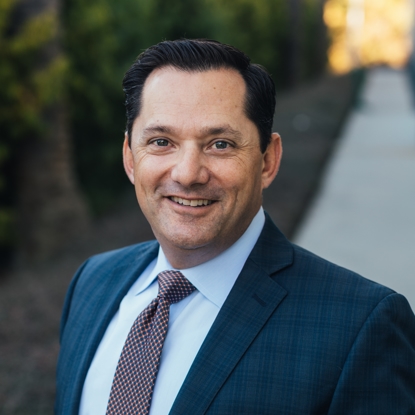
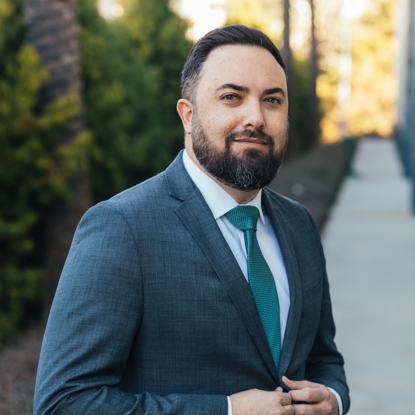
Meet Our Dedicated Team of Legal Professionals





-
I showed up to my relationship with The Zalkin Law Firm, LLP messy, terrified and in severe distress. Ryan, Devin and Irwin held space for me and all of my pain. They honored my story, treated me with kindness, and gave me a safe place to begin the healing process. The greatest gift of all is this; each time I asked for a hero, they handed me a sword. I was empowered.- Kate
-
“Having been privileged to work with these professionals, I highly recommend and trust them to handle any sexual abuse case in confidence and handled with the utmost of confidentiality and integrity anyone would desire as a victim or a survivor.”- Guy
-
“My experience with The Zalkin Law Firm, LLP has been life-altering. It was a pleasure to work with every employee at the firm. They made me feel as if they genuinely cared about me while maintaining a professional statute.”- Alex
-
“The Zalkin Law Firm, LLP does not just represent their clients, The feeling they put into their cases makes you feel like you are part of a family. I can proudly say that I am part of a brotherhood and sisterhood of genuine and caring people.”- Jason

Talk to a Campus Sexual Assault Attorney. Free and Confidential
Survivors who come to us aren’t just looking for a lawyer. They want someone who will listen, take their case seriously, and pursue real accountability from the institutions that failed them. At The Zalkin Law Firm, LLP, our goal is to give survivors a voice and use the civil justice system as a tool for both justice and change. If you’re considering a campus sexual assault claim, we’re available to walk you through your options: privately, without pressure, and on your own timeline.
Our team is available to help clients navigate Title IX proceedings involving school administrators and to explore options for seeking accountability and compensation in the civil justice system.
Resources for Victims:
If you or someone you love may have a potential case, we invite you to contact us to request a free case evaluation with an attorney from our firm.
Contact The Zalkin Law Firm, LLP today to get started with our campus sexual assault attorneys.

Title IX & Campus Sexual Assault FAQ
-
What Are My Civil Rights Under Title IX?
If you are the survivor of sexual assault, abuse, or misconduct on or off-campus, you have civil rights and may be able to file a civil lawsuit for monetary damages. Title IX requires colleges and universities receiving federal funds to respond to reports of sexual misconduct in a way that is not “clearly unreasonable.”
If your school did not respond reasonably to your report of sexual misconduct, or if it ignored sexual misconduct being committed on campus, you may be entitled to compensation for these failures. The best way to learn about your civil rights is to contact an experienced attorney at The Zalkin Law Firm for a free consultation.
-
What’s the Difference Between a Civil and Criminal Case?
A criminal case is brought on behalf of the government by the district attorney’s office, whereas a civil lawsuit is brought by a private individual with private attorneys.
In a criminal case, the prosecutor must be able to prove the case beyond any reasonable doubt, the highest burden of proof. The outcome for the defendant if found guilty in a criminal trial is imprisonment and/or probation.
In a civil lawsuit, the plaintiff seeks liability for their damages. In a civil claim, Plaintiffs must prove their case by a preponderance of the evidence - in other words, was it more likely true than not, a much lower burden of proof than beyond a reasonable doubt.
In criminal cases, only the individual alleged to have committed the crime is prosecuted. In a civil lawsuit, a Plaintiff can sue not only the accused individual, but also any individuals or entities that may have failed to prevent or respond appropriately. A Title IX lawsuit is a civil lawsuit.
-
What is Title IX?
Title IX is a federal law enacted in 1972 that prohibits all educational institutions that receive Federal financial assistance from engaging in conduct that discriminates on the basis of gender.
-
Doesn’t Title IX Deal with Sports?
Yes. Title IX has been used to ensure educational institutions do not discriminate against women in their athletics programs. But Title IX is not limited to instances of gender discrimination in athletics.
Title IX is much broader, covering discrimination based on sex in all education programs or activities at universities and institutions which receive federal funding, as well as matters of sexual violence, harassment, and misconduct involving students, teachers, and/or faculty.
-
What Does Title IX Have to Do with Campus Sexual Assault?
Both the U.S. Department of Education and the U.S. Supreme Court have recognized that students must be afforded an equal opportunity to education, regardless of sex.
When a student experiences sexual assault or sexual harassment, and a school fails to address it, that school is interfering with the victim’s right to an equal opportunity in education. Both the Education Department and SCOTUS have recognized that a school’s failure to address sexual misconduct on campus amounts to discrimination on the basis of gender, which is prohibited by Title IX.
-
How Common is Sexual Misconduct on Campus?
There is quite a bit of research on the frequency of sexual violence in education. The research is not unanimous, but is fairly consistent:
- 23.1% of female undergraduates and 5.4% of male undergraduates experience rape or sexual assault through physical force, violence, or incapacitation (RAINN).
- Among graduate and professional students, 8.8% of females and 2.2% of males experience sexual violence.
- Only 20% of female student victims ages 18-24 report to law enforcement, compared to 32% of non-student females the same age who report.
-
I Was the Victim of Sexual Misconduct, Who Can I Report to?
If you have been the victim of sexual misconduct on campus, there are several options for reporting your crime. First, you can report to your campus, or local police department. The police will investigate, and pass your case on to the local district attorney who will then decide whether or not to file criminal charges against your assailant.
You may also report to your college’s Title IX office. The U.S. Department of Education requires schools to maintain an office for responding to reports of sexual misconduct that occur on or off campus.
-
What Happens When I Report to the Police?
Reporting to police will begin a criminal justice process. First, police will conduct an investigation, which includes interviews of the complainant, assailant, and any witnesses.
Law enforcement will then present their findings to the local district attorney’s office. The district attorney will decide if it wants to bring criminal charges. If a criminal indictment is filed and the assailant is convicted, they could face penalties such as probation or incarceration.
It’s important to remember that the criminal process does not involve a school who may have failed to prevent or respond to your sexual assault. Only a civil lawsuit can address that.
-
What Happens When I Report to My School?
Every school has a federal obligation to respond to a report of sexual misconduct. Often, the school will initiate a formal investigation into your report. This may include interviews of you and your assailant, as well as any witnesses.
After a formal investigation, the school will usually hold a formal hearing to determine whether to sanction your assailant.
The U.S. Department of Education has published guidance documents that schools must follow while conducting an investigation and ultimately adjudicating a report of sexual misconduct under Title IX.
Schools must also take interim measures to ensure a complainant’s safety and wellbeing on campus throughout the course of an investigation and adjudication process. Often, this means a school will issue a “no-contact order” restricting the assailant’s ability to interact with the complainant.
Other measures include academic and housing accommodations to ensure that the process does not interfere with the complainant’s right to an educational experience free from sexual discrimination.