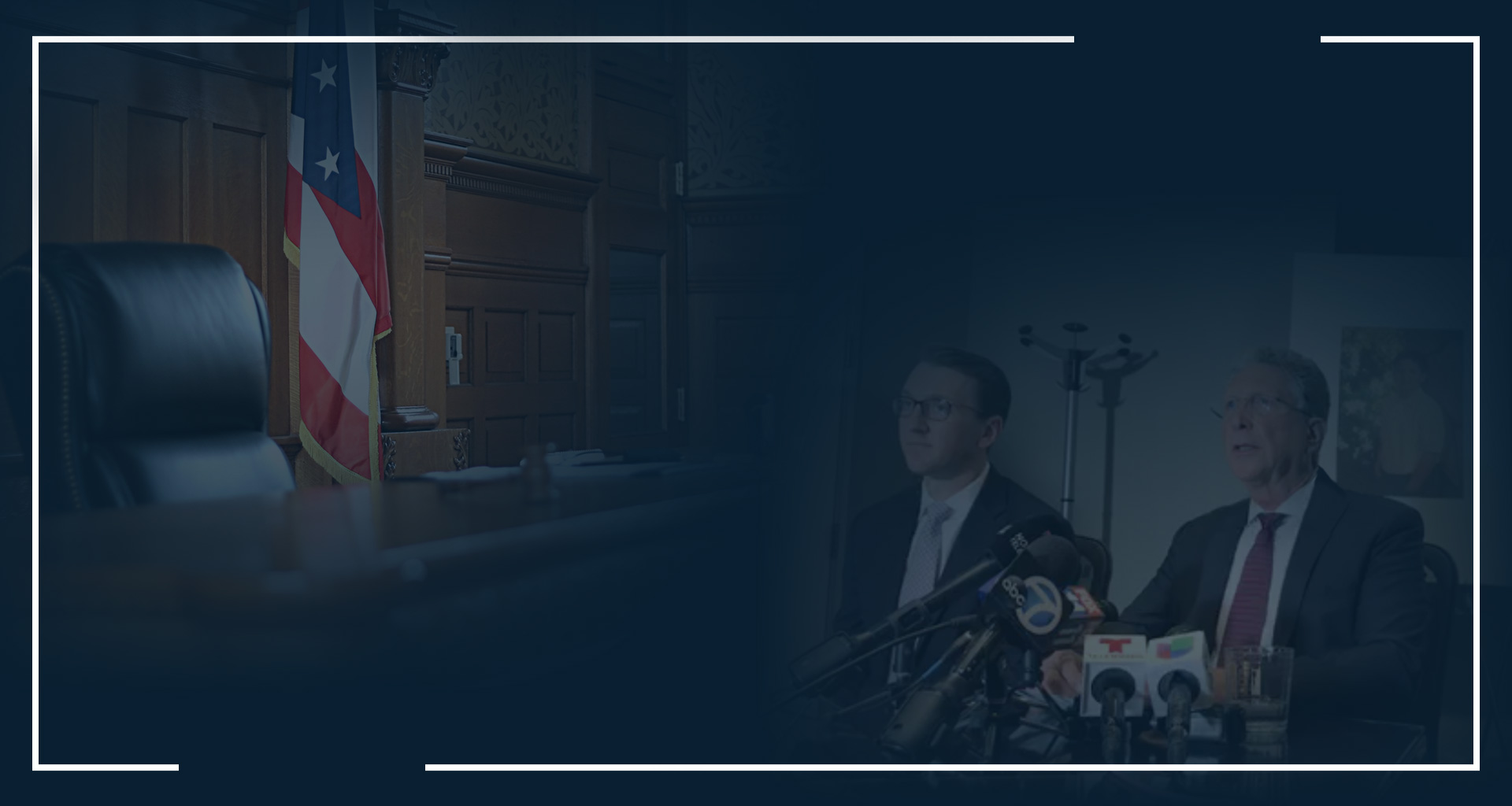
Sexual abuse often thrives in silence. In many cases, the harm is not limited to the actions of one perpetrator—it is compounded by institutions that ignore warning signs, dismiss complaints, or actively conceal misconduct. Whistleblowers play a pivotal role in breaking that silence. By coming forward with information about abuse or institutional cover-ups, they help protect survivors, prevent future harm, and promote accountability.
At The Zalkin Law Firm, LLP, we understand how critical whistleblowers can be in sexual abuse cases. Their courage can be the catalyst for justice.
Who Is a Whistleblower?
A whistleblower is someone who reports misconduct, illegal behavior, or unethical actions within an organization. In sexual abuse cases, whistleblowers may include:
- Employees who witness inappropriate behavior
- Colleagues who observe patterns of misconduct
- Administrators who uncover internal reports that were ignored
- Volunteers or contractors aware of abuse allegations
- Even survivors who expose systemic failures
Whistleblowers may work within schools, religious institutions, youth organizations, healthcare facilities, corporations, or other entities where abuse can occur. Their willingness to speak out can bring hidden wrongdoing to light.
Exposing Patterns of Abuse
Sexual abuse rarely occurs in isolation. Often, there are warning signs—prior complaints, policy violations, suspicious conduct—that go unaddressed. Whistleblowers frequently reveal patterns such as:
- Multiple complaints against the same individual
- Internal investigations that were suppressed
- Transfers of accused individuals rather than termination
- Failure to report allegations to law enforcement
- Retaliation against those who raised concerns
By exposing these systemic issues, whistleblowers provide critical evidence that can strengthen a survivor’s civil case. Their testimony may demonstrate that an institution knew—or should have known—about the abuse and failed to act.
Strengthening Civil Claims Against Institutions
In many sexual abuse lawsuits, institutional negligence is a central issue. It is not only the perpetrator who may be held accountable, but also the organization that enabled or concealed the misconduct.
Whistleblower evidence can help establish:
- Negligent hiring or supervision
- Failure to implement safety protocols
- Violation of mandatory reporting laws
- Intentional cover-ups
When internal emails, reports, or witness statements come to light through whistleblowers, they can significantly impact the outcome of a case. This information may show that abuse could have been prevented.
Legal Protections for Whistleblowers
Many individuals hesitate to report abuse due to fear of retaliation—job loss, demotion, harassment, or professional blacklisting. However, various federal and state laws provide protections for whistleblowers who report unlawful activity.
These protections may include:
- Safeguards against wrongful termination
- Protection from workplace retaliation
- Legal remedies if retaliation occurs
- Confidential reporting channels in some situations
While the legal landscape varies by jurisdiction, whistleblower protections are designed to encourage individuals to report misconduct without fear of reprisal.
The Emotional and Ethical Courage Involved
Coming forward as a whistleblower is rarely easy. Individuals may face intense pressure from supervisors, colleagues, or community members to remain silent. They may worry about damaging reputations, disrupting institutions, or facing social backlash.
Despite these challenges, whistleblowers often act out of a strong ethical commitment to protecting others—especially children and vulnerable individuals. Their actions can prevent additional survivors from experiencing similar harm.
Collaboration Between Survivors and Whistleblowers
In many cases, whistleblowers and survivors work together—either directly or indirectly—to expose abuse. A survivor’s testimony may prompt a whistleblower to come forward, or vice versa. When multiple voices align, it becomes far more difficult for institutions to deny responsibility.
Legal teams can use whistleblower accounts to corroborate survivor claims, uncover additional evidence, and identify systemic failures. This collaboration can significantly strengthen a case.
Encouraging a Culture of Accountability
Whistleblowers do more than support individual lawsuits—they help change institutional cultures. When organizations are held accountable, they are more likely to:
- Implement stronger reporting systems
- Enforce zero-tolerance policies
- Conduct thorough background checks
- Provide employee training on abuse prevention
- Create transparent investigative procedures
Public exposure of misconduct often compels institutions to reform practices and prioritize safety.
What to Do If You Have Information About Abuse
If you suspect abuse or have knowledge of institutional wrongdoing, documenting what you know can be critical. Preserve relevant communications, make detailed notes, and consider speaking with an experienced attorney to understand your rights and options.
For survivors, whistleblower information can provide validation and essential evidence. For those inside organizations, understanding legal protections can empower you to act responsibly and safely.
Standing With Survivors and Those Who Speak Out
At The Zalkin Law Firm, LLP, we recognize that both survivors and whistleblowers demonstrate extraordinary courage. Holding perpetrators and negligent institutions accountable requires determination, evidence, and strong legal advocacy.
If you or someone you know has been affected by sexual abuse—or if you have information about institutional misconduct—our team is here to help you understand your rights and explore your legal options.
Contact our team today for a free, confidential consultation. Together, we can pursue accountability, protect others, and seek the justice you deserve.