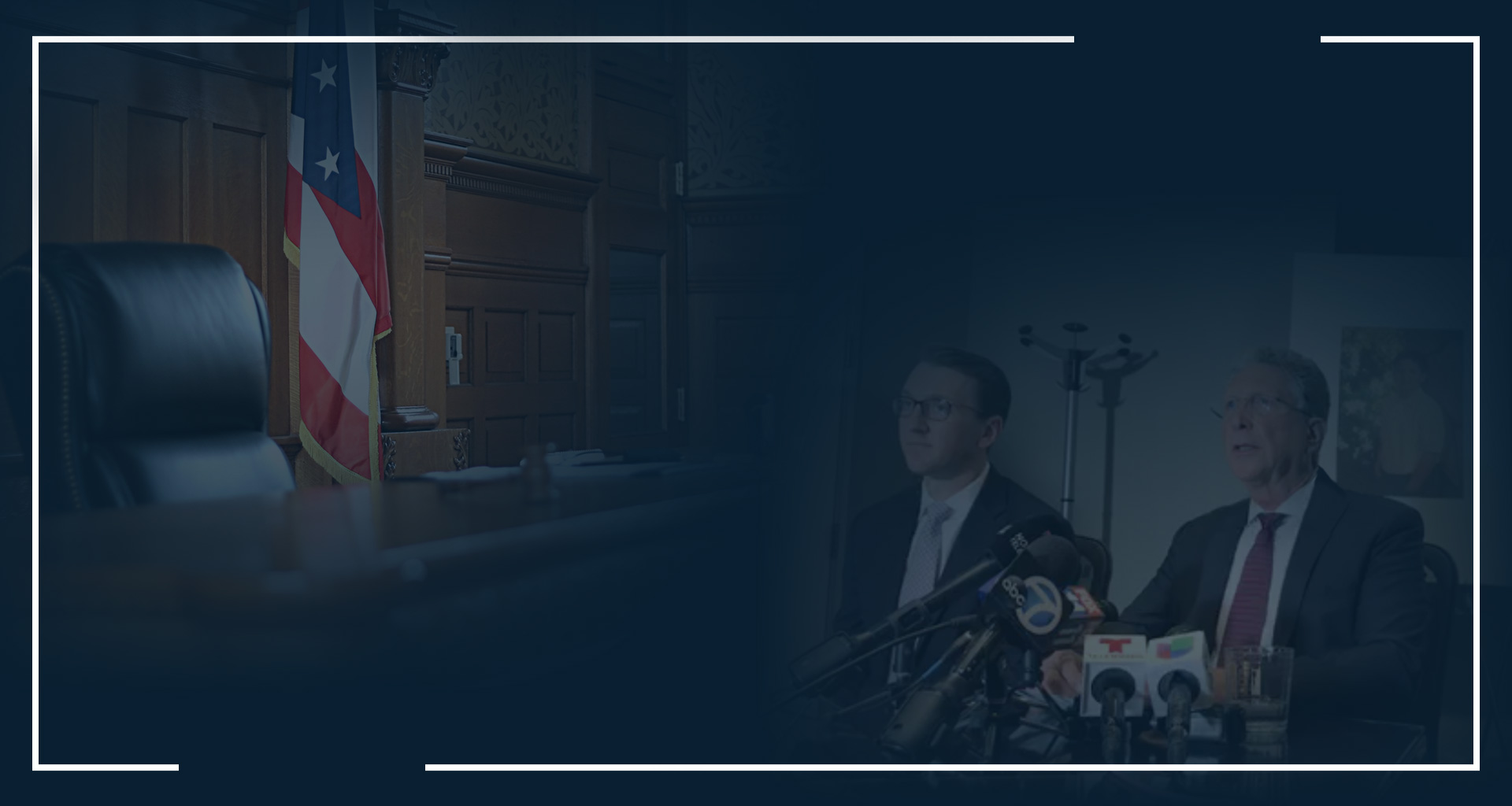
Survivors of child sexual abuse often face a long and deeply personal journey toward healing. While no legal process can undo the harm that was done, civil lawsuits can play a meaningful role in recovery—one that goes far beyond financial compensation. For many survivors, pursuing a civil claim is about reclaiming control, being heard, and creating accountability where it was once absent.
Understanding how civil lawsuits support healing can help survivors make informed, empowered decisions about whether legal action is right for them.
Civil Lawsuits Are About Accountability, Not Just Money
A common misconception is that civil lawsuits are purely about financial gain. In reality, many survivors pursue legal action to hold perpetrators and negligent institutions accountable for their actions or failures to act.
Civil lawsuits shine a light on wrongdoing. They require defendants to answer questions, produce documents, and confront the harm they caused or enabled. For survivors, this process can validate what they experienced, especially when abuse was ignored, minimized, or covered up for years.
Accountability can be a powerful step in healing. It reinforces the truth that the abuse was not the survivor’s fault and that responsibility lies squarely with those who caused or allowed the harm.
Reclaiming a Sense of Control
Sexual abuse often strips survivors of autonomy and power. Decisions are taken from them, boundaries are violated, and trust is shattered. A civil lawsuit, by contrast, is a process in which survivors have choices.
Survivors decide whether to come forward, when to move forward, and—often with the guidance of a trauma-informed attorney—how involved they want to be at each stage. This ability to make decisions can be deeply restorative. It allows survivors to regain a sense of agency that abuse once took away.
Even choosing not to proceed after learning about legal options can be empowering. Knowledge itself restores control.
Being Heard and Believed
For many survivors, one of the most painful aspects of abuse is silence, whether it's being dismissed, disbelieved, or never given the opportunity to tell their story. Civil lawsuits create a formal space where survivors’ voices matter.
Through testimony, written statements, or settlement discussions, survivors are given the chance to share what happened and how it affected their lives. Being heard—especially by an impartial legal system—can bring validation and emotional relief.
In some cases, survivors also find strength in knowing that their courage may encourage others to come forward or prevent future abuse.
Promoting Institutional Change and Prevention
Civil lawsuits often expose systemic failures within institutions such as schools, churches, youth organizations, healthcare facilities, or workplaces. These cases can reveal patterns of negligence, ignored warnings, or intentional cover-ups.
As a result, lawsuits can drive meaningful change. Institutions may be required to implement new safety policies, training programs, reporting procedures, or oversight measures. For many survivors, knowing that legal action may protect others from similar harm adds a deeper sense of purpose to the process.
This broader impact can be a meaningful part of healing, transforming personal pain into collective protection.
Supporting Access to Healing Resources
While compensation is not the sole purpose of a civil lawsuit, it can still play a practical role in recovery. Survivors often face long-term costs related to therapy, medical care, medication, and other support services.
Financial recovery can reduce stress and remove barriers to treatment, allowing survivors to focus on healing without the added burden of unmanageable expenses. In this way, compensation supports emotional recovery rather than defining it.
Healing Looks Different for Every Survivor
It is important to acknowledge that pursuing a civil lawsuit is not the right path for everyone—and that is okay. Healing is not linear, and there is no single “correct” way to move forward after abuse.
Some survivors find closure through legal action. Others heal through therapy, advocacy, community support, or private reflection. What matters most is that survivors have access to options and the freedom to choose what feels right for them.
A trauma-informed legal process respects these differences and prioritizes survivors’ well-being at every step.
Exploring Legal Options at Your Own Pace
At The Zalkin Law Firm, we understand that deciding whether to pursue a civil lawsuit is deeply personal and often emotional. Our role is not just to provide legal representation, but to support survivors with compassion, respect, and clarity at every step of the process. We take the time to listen, explain your options, and handle the legal burdens so you can focus on healing. By holding perpetrators and negligent institutions accountable, we work to pursue justice that reflects the full scope of the harm endured—while always honoring your voice, your boundaries, and your path forward.